Top 100 Best Workplaces
What innovation looks like at Austin Angels.
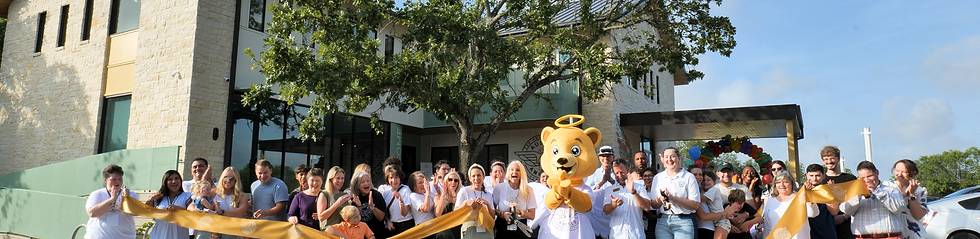
Austin Angels Named One of Fast Company’s Top 100 Best Workplaces for Innovators.
Innovation is easy to recognize when it looks like new technology, a groundbreaking product, or a big idea. Here, it has always looked a little different. It starts with a question.

Top 100
Fast Company’s 2026 Best Workplaces for Innovators, out of hundreds of applicants.
EST. 2009
Seventeen years of asking what would actually change the experience of foster care.
Two programs
Love Box® and Dare to Dream® — the practice behind the recognition.
first question
Before Austin Angels existed, our founder kept coming back to one question: What if consistent, committed relationships could change the experience of foster care?
That question became the foundation. As we grew, so did the questions. Could this model work in other communities? Could we grow without losing the deeply personal nature of the work? Could we measure the impact of relationships?
We didn't always have the answers. We took risks, learned, changed things, and kept going. That willingness to stay curious is at the heart of what innovation means here.
.png)
Innovation Is Human
When people hear innovation, they think technology. We think people.
Innovation here is rooted in a deeply human belief: relationships change everything. Building an organization around that belief means continually asking…

How we can create consistency for children and youth?

How we can create consistency for children and youth?

How we can create consistency for children and youth?

How we can create consistency for children and youth?
Turning Ideas Into Action
Innovation isn't just an idea. It's something we put into practice every day.
%20copy.png)
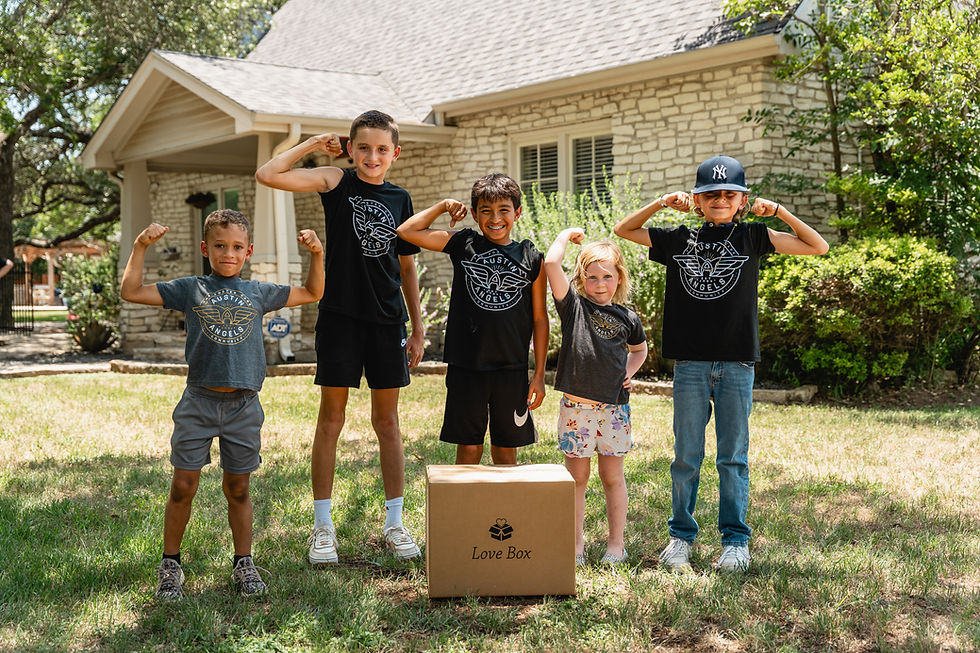
Love Box® program
Support for the whole family
Surrounding foster and kinship families with consistent, relationship-based support.
%20copy.png)
Dare to Dream® program
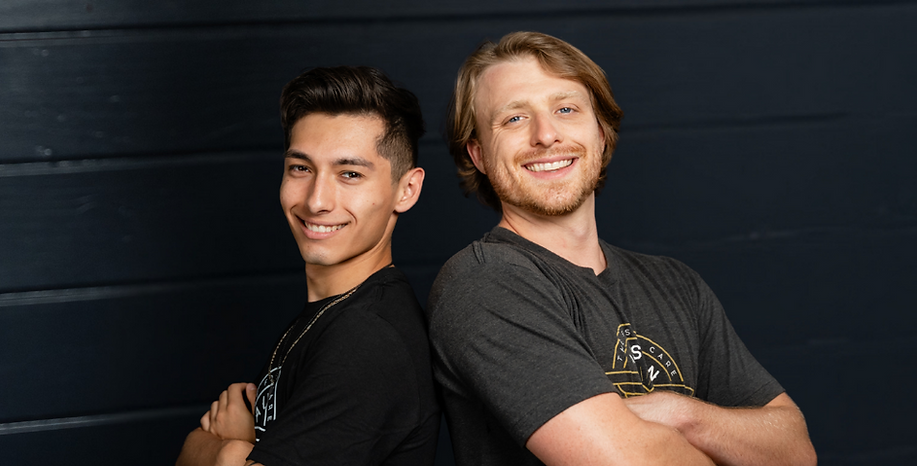
Mentors who stay
Connecting young people with mentors who show up, believe in them, and walk alongside them.
.png)
Sometimes innovation is much less visible. It's refining how we welcome a volunteer, rethinking a program process because families told us something could work better, or looking at data that challenges what we thought we knew.
The common thread is people.
Using Data to Understand What Matters
Some of the most important things we want to change are the hardest to measure.
Counting participation and services matters. But we also want to understand something deeper — and that is why we keep strengthening how we measure outcomes: what changes when a family has consistent relational support, what happens when a young person has a trusted adult who stays, and where we can keep improving.
Belonging
The feeling of being part of something that will not disappear.
Stability
Consistency a child can plan around, week after week.
A trusted adult
Someone present long enough to be counted on.
Confidence
Someone present long enough to be counted on.
"Is someone's life actually different because we were here?"
Data doesn't make our work less human. Used well, it helps us honor the humans at the center of it.
Growing Without Losing What Matters
How do you grow something deeply relational without losing what made it powerful?
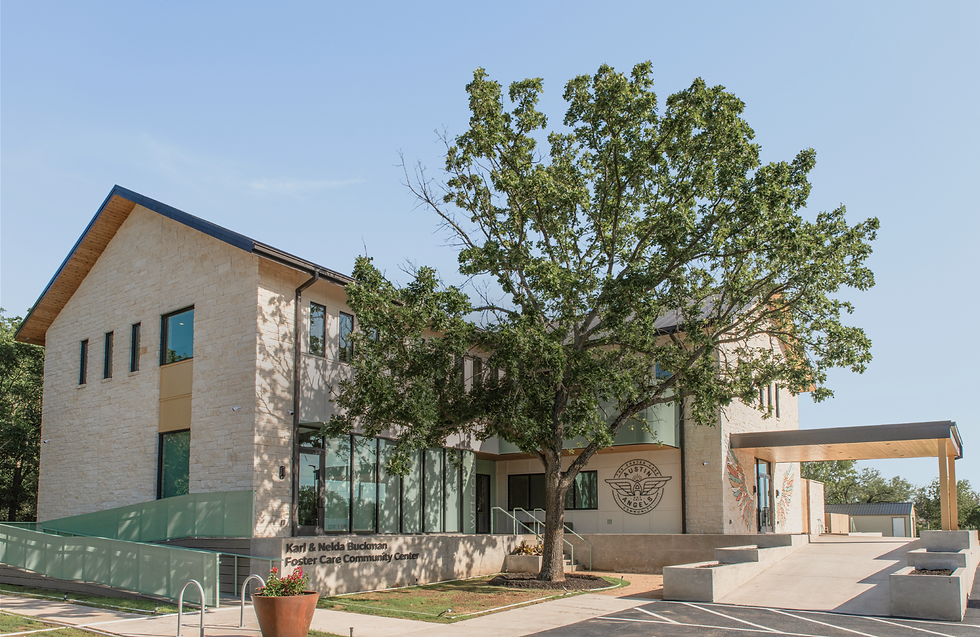
When we began expanding beyond Austin, we weren't replicating programs. We were replicating a way of showing up: consistency, intentionality, long-term relationship, and a belief that children, youth, and families deserve people who know them and keep choosing them.
That model ultimately helped launch National Angels, bringing relationship-centered support to communities across the country. Scale has never meant making every community look the same — it means enough structure to protect what matters while local leaders listen and lead well.
Growing an organization isn't the same as scaling impact. We have to be as intentional about what we preserve as what we grow.
Innovation Through Partnership
The biggest challenges won't be solved alone.
Some of our most meaningful innovation has come through partners willing to ask questions with us, challenge our thinking, and help build what comes next.

Research & Outcomes
The University of Texas at Austin & the Texas Institute for Child and Family Wellbeing
Helped us conduct our first outcomes-focused study, giving us a foundation for understanding and measuring the impact of relationships.

Operations & Scale
Stand Together Foundation
Strengthened how we operate and measure impact through Principle-Based Management and Customer-First Measurement — plus our first mini documentary and a multiyear commitment to scaling the national Angels network.
Partnership, at its best, isn't about putting names and logos on the same project. It's about working together around a problem none of us can solve alone. We believe we've only scratched the surface.
We're Still Asking Questions
Relationships are our innovation.
We're incredibly proud to be recognized among Fast Company’s Top 100 Best Workplaces for Innovators. But we're even more proud of the people behind it: our staff, volunteers, partners, supporters, and the children, youth, and families who continue to shape how we listen, learn, and grow.

%20copy.png)

.jpg)
Innovation at Austin Angels has never been about chasing the newest idea. It's about creating a culture where people feel empowered to question what has always been done, imagine what could be possible, and keep making the work better. And after all these years, we're still asking questions.
Still things to challenge
Still things to improve
Still risks worth taking
Still possibilities we haven't imagined
And we're just getting started.
Be part of what comes next.
Innovation happens when people come together around a shared belief and choose to do something about it. There is a place for you here.
01.
Watch
.png)
Watch Full Circle Moment: Mentee to Intern
See the impact of one relationship firsthand.
.png)